Types of Anxiety Disorders
Key Takeaways
- Anxiety disorders are more than everyday worry — they involve persistent, excessive fear that interferes with daily life.
- Common types include generalised anxiety disorder (GAD), panic disorder, social anxiety, phobias and separation anxiety.
- They are highly treatable with counselling, therapy and, when needed, medical support.
- MBS Holistic Clinic offers counselling and holistic support for anxiety in Kudasan, Gandhinagar.
We spoke a little about anxiety disorder and how to approach it during our last post. Anxiety disorder is a recognized mental disorder, in spite of the fact that it is affecting a huge section of the population. Some of the symptoms common to anxiety disorder are: restlessness, fatigue, muscle tension, sleep abnormalities, panic, shortness of breath, sweaty/numb/cold palms and feet, nausea, dizziness, irritability, etc. This constant worry and fear can make our normal day today activities difficult and limit our sense of independence. Therefore, it is important to take actions to deal with these issues at the earliest.
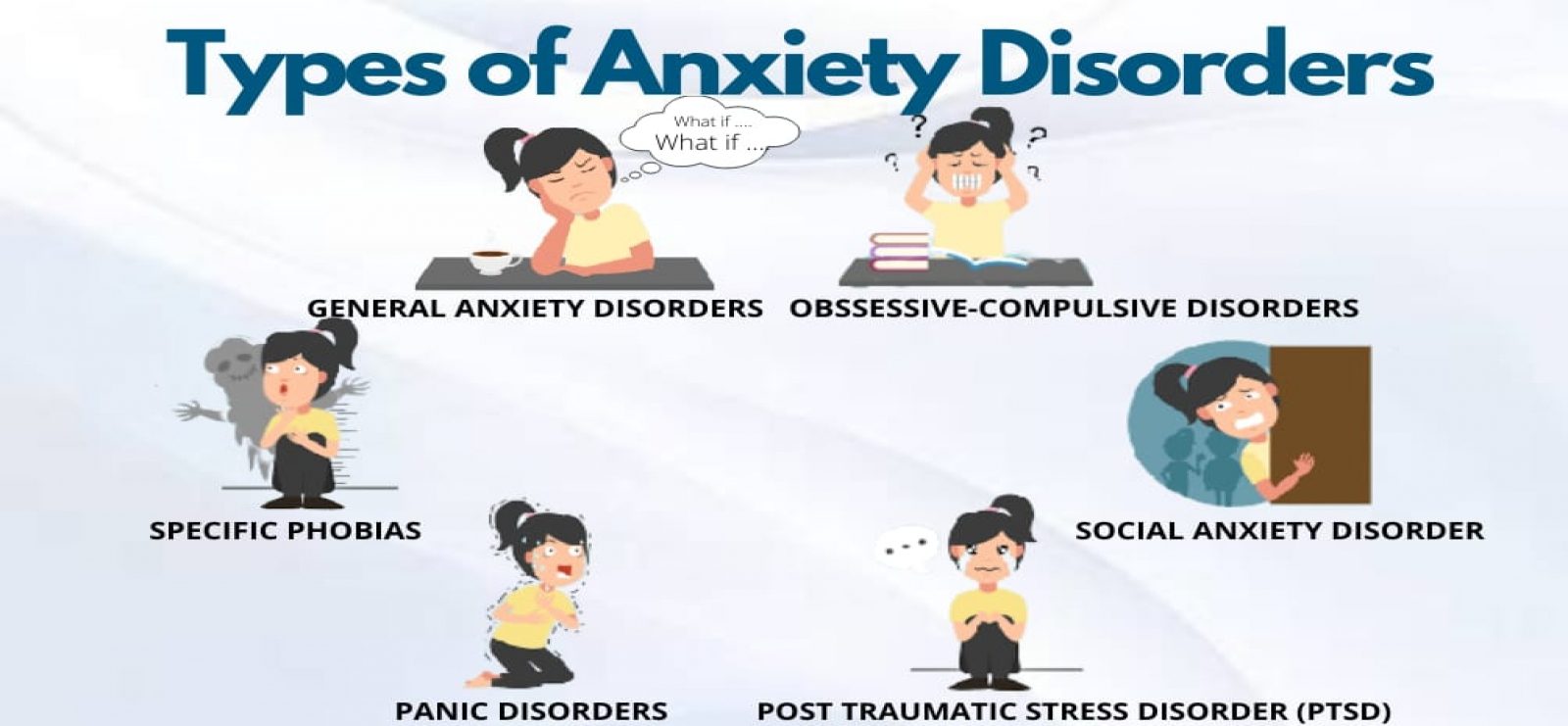
Some general categories into which anxiety disorders have been classified are:
General Anxiety Disorders (GAD):
People with GAD experience exaggerated and excessive fear and worry about an imagined circumstance. They end up expecting the worst, even though there is no reason to, during normal day to day situations. Anticipating disasters relating to money, health, relationships, etc becomes something they have to live with on a daily basis.
Panic Disorders & Agoraphobia:
Panic disorders are different from anxiety disorders in that it is not a constant worry but a situational fear, where the person suffering is gripped by intense terror, triggered in a particular situation. The situations would depend from person to person. In these situations, the affected people show bodily symptoms of trembling, shaking, confusion, dizziness, nausea, breathing problems. During these panic attacks, the patient might even need medical attention or hospitalization.
Post Traumatic Stress Disorder (PTSD):
As the name suggests, this type of disorder develops after a person has experienced a traumatic event sometime in the near or distant past. The trauma could have been a physical or emotional abuse, a situation of physical or emotional violence, threat to one’s life, victims of crime or sexual assault, “survivor’s guilt”, bullying. Symptoms include flashbacks to the traumatic event, sleep troubles, depression, intense guilt, a loss of interest in activities that they used to enjoy, respiratory problems, etc.
Social Anxiety Disorder:
This is the fear of engaging and interacting with people in a social setting. That may be at work, with family members or colleagues, or even with friends. People afflicted with this are shy, withdrawn and nervous. They are likely to feel intense feelings of embarrassment, self-consciousness in front of other people, nausea, etc. Typical fears include being made fun of, being teased or criticized, fear of speaking in front of a group of people, fear of being judged by other people, fear of rejection, etc. ‘Social phobias’ are also sometimes connected to performance issues.
Specific Phobias:
These are severe symptoms of anxiety triggered by a very specific situation or stimuli. The stimuli can be a thing, an animal, a location or something similar. Examples are fear of heights, small confined places, needles, injection, etc.
These are some of the more common categories of anxiety disorder. If someone is suffering from one or more of these disorders, their treatment would need to be tailored accordingly, after adequately exploring the causes of these symptoms.
Related: Get support through counselling in Gandhinagar.
Frequently Asked Questions
What are the main types of anxiety disorders?
The most common are generalised anxiety disorder (GAD), panic disorder, social anxiety disorder, specific phobias, and separation anxiety.
What is the difference between stress and an anxiety disorder?
Stress is usually tied to a situation and eases when it passes. An anxiety disorder involves persistent, excessive worry that continues even without a clear trigger and affects daily life.
Are anxiety disorders treatable?
Yes. Most respond well to counselling, cognitive and behavioural techniques, relaxation practices and, when needed, medical treatment.
When should I see a professional for anxiety?
If anxiety affects your sleep, work, relationships or daily functioning, or you avoid situations because of it, it is worth speaking to a counsellor.
Where can I get help for anxiety in Gandhinagar?
MBS Holistic Clinic offers counselling and holistic therapies for anxiety in Kudasan, Gandhinagar, and online.
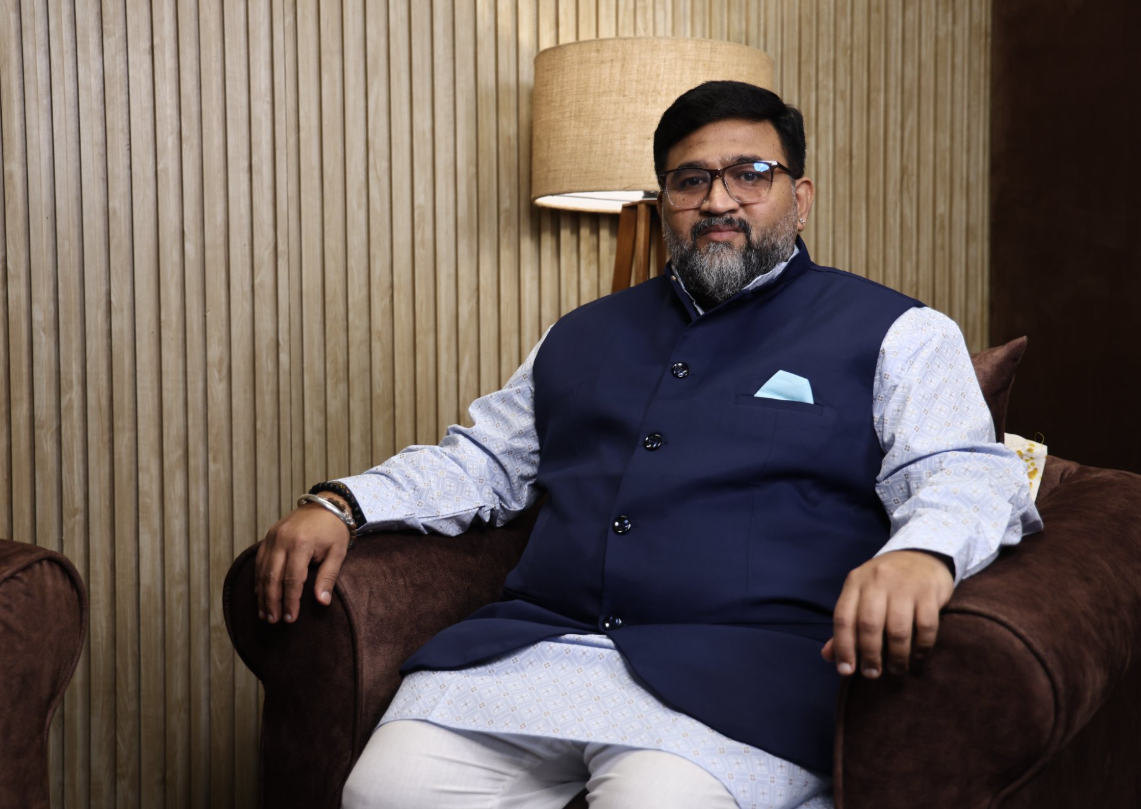
Mr. Mitesh Thakkar is a Counselling Psychologist, Hypnotherapist, and Holistic Mental Health Practitioner with over 20 years of experience supporting individuals with depression, anxiety, stress, and emotional wellbeing. He has guided more than 12,000 clients through evidence-based counselling combined with integrative therapeutic approaches at MBS Holistic Clinic, Gandhinagar.