What Is Depression? Meaning, Symptoms, Causes & Holistic Treatment
Depression is one of the most common and most misunderstood mental health conditions in the world. It is estimated that over 280 million people globally live with depression — yet many suffer in silence, unsure whether what they are experiencing is “serious enough” to seek help.
If you have been feeling persistently empty, exhausted, or disconnected from life, this page is for you. Understanding depression clearly is the first step toward feeling better.
What Is the Meaning of Depression?
Depression — also called clinical depression or depressive disorder — is a mood disorder that causes a persistent feeling of sadness, emptiness, or loss of interest that interferes with daily functioning. It affects how you think, feel, and handle everyday activities such as sleeping, eating, working, and maintaining relationships.
The meaning of depression goes well beyond simply “feeling sad.” Sadness is a normal human emotion. Depression is a medical condition that lingers for weeks or months, is not easily shaken off, and often has no obvious external cause.
Depression is not:
- A personal weakness or character flaw
- Something you can simply “snap out of.”
- A sign of failure or poor mental strength
Depression is:
- A recognised medical condition
- Treatable with the right professional support
- Far more common than most people realise
Signs and Symptoms of Depression
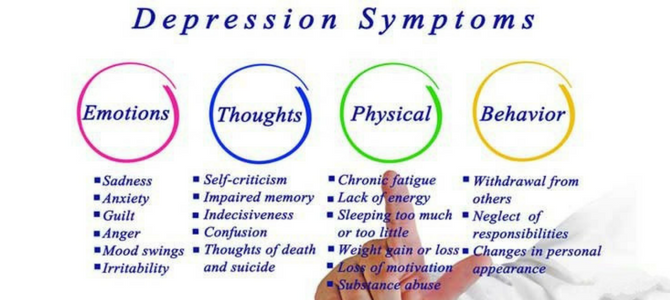
Depression shows up differently in different people. Some feel deeply sad. Others feel nothing at all — a persistent numbness that is just as distressing. Here are the most common symptoms across three areas:
Emotional Symptoms
- Persistent sad, anxious, or “empty” mood
- Feelings of hopelessness or pessimism about the future
- Feelings of guilt, worthlessness, or helplessness
- Loss of interest or pleasure in activities you once enjoyed
- Recurring thoughts of death or suicide
Physical Symptoms
- Persistent fatigue and low energy, even after rest
- Disrupted sleep — insomnia, early-morning waking, or sleeping excessively
- Changes in appetite — eating significantly more or less than usual
- Unexplained physical aches, headaches, or digestive problems
- Difficulty concentrating, remembering things, or making decisions
Behavioural Symptoms
- Withdrawing from friends, family, and social situations
- Neglecting responsibilities at work or home
- Loss of interest in sex or physical intimacy
- Increased irritability or restlessness
- Avoiding activities that were once meaningful
Important: You do not need to experience all of these symptoms to have depression. If several of these have been present for two weeks or more, it is worth speaking to a qualified mental health professional.
Suicide Warning Signs — Take These Seriously
Depression significantly increases the risk of suicidal thoughts. Warning signs to watch for in yourself or someone you care about include:
- Talking about death, dying, or “not being here anymore”
- Expressing feelings of being a burden to others
- Giving away prized possessions
- Sudden calmness after a period of deep depression
- Withdrawing from everyone
If you or someone you know is showing these signs, please reach out for professional help immediately. At MBS Holistic Clinic, our counselling team is available to support you — call us at +91-8884764898.
Types of Depression
Not all depression is the same. There are several recognised types, each with distinct characteristics:
Major Depressive Disorder (MDD) The most common form — characterised by persistent symptoms of depression for at least two weeks that significantly affect daily life. Episodes can occur once or repeatedly over a lifetime.
Persistent Depressive Disorder (Dysthymia) A chronic, lower-grade form of depression lasting two years or more. People with dysthymia may appear to function normally but feel chronically low, joyless, and fatigued.
Seasonal Depression (SAD) Depression that follows a seasonal pattern — typically emerging in late autumn and winter and lifting in spring. Linked to reduced sunlight and disruption of the body’s internal clock.
Postpartum Depression Experienced by some women during pregnancy or after childbirth. Goes beyond the “baby blues” and involves full depressive episodes that require professional support.
Psychotic Depression A severe form of depression accompanied by hallucinations or delusions. Requires specialised psychiatric care.
Situational Depression Triggered by a specific life event — bereavement, divorce, job loss, or trauma. While circumstantial, it can become as serious as clinical depression if left unaddressed.
What Causes Depression?
Depression does not have a single cause. In most cases it arises from a combination of biological, psychological, and social factors — which is why effective treatment must address the whole person, not just the symptoms.
Biological Causes
- Genetics — depression tends to run in families
- Hormonal imbalances, including thyroid dysfunction
- Changes in brain chemistry and the functioning of the frontal lobe
- Chronic illness or persistent physical pain
Psychological Causes
- History of trauma, particularly in childhood
- Patterns of negative thinking or low self-worth
- Anxiety disorders and other mental health conditions
- Unresolved grief or emotional loss
Social and Environmental Causes
- Chronic stress from work, family, or financial pressures
- Relationship breakdown, divorce, or loneliness
- Social isolation — a growing issue in urban cities like Bangalore
- Significant life changes such as job loss or relocation
Lifestyle Factors
- Poor diet and nutritional deficiencies
- Physical inactivity
- Alcohol and substance use — around 30% of people with substance problems also experience depression
- Chronic sleep disruption
Understanding what is contributing to your depression is an important part of finding the right path forward.
Who Is at Risk?
Depression can affect anyone — regardless of age, gender, background, or profession. However, certain factors increase vulnerability:
- A family history of depression or mood disorders
- Women are statistically twice as likely as men to be diagnosed with depression
- People experiencing chronic illness, pain, or disability
- Professionals in high-pressure environments — including Bangalore’s IT and corporate workforce
- Individuals who have experienced trauma, loss, or major life transitions
In Bangalore specifically, the combination of demanding work culture, long commutes, social pressure, and urban loneliness creates a unique and significant risk environment for depressive episodes.
Treatment for Depression
The most important thing to know about depression is this: it is highly treatable. With the right support, most people see meaningful improvement — often within weeks of beginning treatment.
At MBS Holistic Clinic, we take an integrative approach — addressing depression through the mind, body, and nervous system together rather than focusing on symptoms alone.
Talk Therapy and Counselling
Professional counselling is one of the most effective first steps for mild to moderate depression.
- Cognitive Behavioural Therapy (CBT) — identifies and changes the thought patterns that fuel depression
- Interpersonal Therapy — explores how relationships and communication patterns affect mood
- Psychodynamic Therapy — helps uncover unresolved emotional patterns and unconscious influences on behaviour
Holistic and Complementary Therapies
At MBS Holistic Clinic, our integrative treatments support recovery at a deeper level:
- Pranic Healing — works with the body’s energy field to clear emotional blockages associated with depression
- Hypnotherapy — accesses the subconscious to shift deep-seated negative patterns and beliefs
- Sound Healing Therapy — guides the nervous system into restorative states, reducing cortisol and activating the body’s natural healing response
- Yoga and Breathwork — clinically shown to reduce depressive symptoms by regulating the nervous system and improving mood-related neurotransmitters
- Reiki and Energy Healing — supports emotional balance and inner calm
Lifestyle Support
- Regular physical movement — even gentle daily walks reduce depressive symptoms
- Nutritional guidance — certain deficiencies (Vitamin D, B12, Omega-3) are directly linked to low mood
- Sleep hygiene and routine — critical for mood regulation
- Social connection — reducing isolation is a powerful protective factor
Medical Treatment
In moderate to severe cases, medication prescribed by a psychiatrist may be recommended alongside therapy. At MBS Holistic Clinic, we work collaboratively with medical professionals and always refer clients appropriately when required.
Depression Is Not a Life Sentence
Many people who experience depression go on to live full, meaningful, joyful lives — not despite their experience of depression, but sometimes because of the self-understanding it eventually brings.
The key is not to wait. The longer depression goes unaddressed, the more deeply embedded the patterns become. Early, appropriate support makes a significant difference to both the speed and completeness of recovery.
If you have been searching for help — for yourself or someone you love — MBS Holistic Clinic in Whitefield, Bangalore is here to walk that path with you.
Begin Your Recovery at MBS Holistic Clinic, Bangalore
Our founder, Mitesh Thakkar — Counselling Psychologist, Hypnotherapist, and Pranic Healer with over 20 years of experience — has helped more than 12,000 clients navigate depression, anxiety, and emotional distress using an integrative, deeply personalised approach.
Whether you are looking for depression counselling in Bangalore, holistic mental health support, or simply someone to talk to who will truly listen — we are here.
📞 Call us: +91-8884764898 📍 MBS Holistic Clinic, Whitefield, Bangalore
Book Your Consultation Today →
Frequently Asked Questions About Depression
What is the simple meaning of depression?
Depression is a medical condition where a person experiences persistent low mood, loss of interest, and emotional or physical exhaustion that significantly affects their daily life — for weeks or months at a time.
What is the difference between sadness and depression?
Sadness is a normal emotion that passes. Depression is a prolonged state that doesn’t lift easily, often has no clear cause, and affects multiple areas of life, including sleep, appetite, energy, and relationships.
Can depression be cured without medication?
Many people recover from mild to moderate depression through therapy, lifestyle changes, and holistic treatments without medication. For moderate to severe depression, a combination approach is often most effective.
Is depression common in Bangalore?
Yes. The high-pressure professional environment, long commutes, and social isolation common in Bangalore make it a significant risk factor for depression, particularly among working professionals.
How do I know if I need professional help for depression?
If you have been experiencing low mood, loss of interest, fatigue, or hopelessness for more than two weeks — or if daily life feels increasingly difficult to manage — speaking to a qualified counsellor is strongly recommended.

Mr. Mitesh Thakkar is a Counselling Psychologist, Hypnotherapist, and Holistic Mental Health Practitioner with over 20 years of experience supporting individuals with depression, anxiety, stress, and emotional wellbeing. He has guided more than 12,000 clients through evidence-based counselling combined with integrative therapeutic approaches at MBS Holistic Clinic, Bangalore.