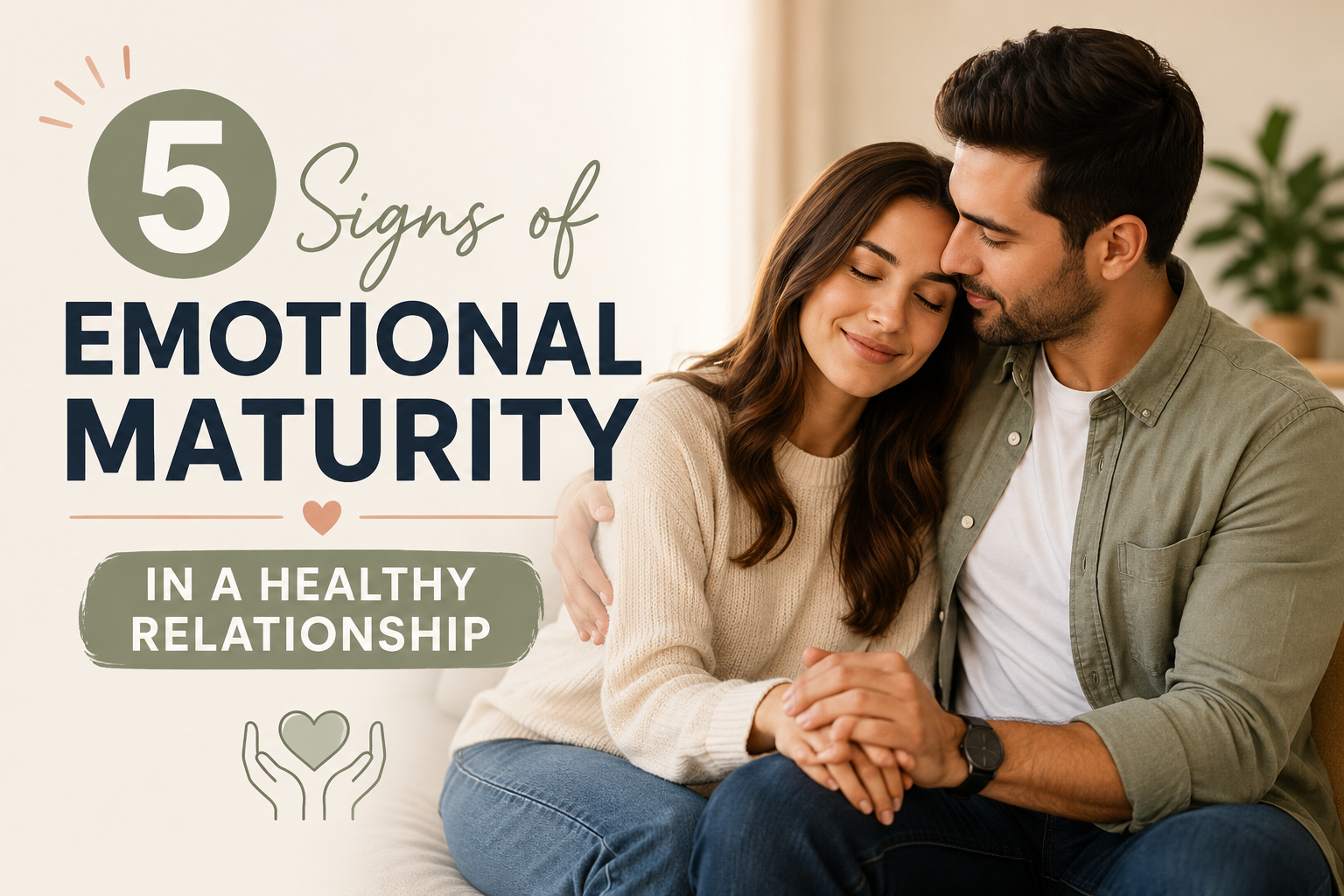
5 Signs of Emotional Maturity in a Healthy Relationship
A healthy relationship is not built only on love, attraction, or chemistry. Emotional maturity plays an equally important role in creating trust, emotional safety, and long-term relationship stability. While every relationship experiences disagreements and emotional challenges, emotionally mature couples know how to handle those situations with understanding, respect, and balance.
Key Takeaways
- Emotional maturity — not just love — is what keeps a relationship healthy: calm communication, accountability, empathy and healthy boundaries.
- Signs include handling conflict without blame, expressing needs clearly, and respecting each other’s independence.
- When these are missing, couples counselling helps both partners build these skills.
- MBS Holistic Clinic offers couples therapy in Kudasan, Gandhinagar, and online.
In today’s fast-moving lifestyle, many relationships struggle because of poor communication, emotional insecurity, overdependence, anger issues, or unresolved emotional wounds. Emotional maturity helps couples navigate these challenges in a healthier and more supportive way.
At MBS Holistic Clinic, relationship counseling and emotional wellness therapies focus on helping individuals build healthier emotional patterns, improve communication, and strengthen relationship harmony through holistic healing approaches.
Understanding the signs of emotional maturity can help individuals build stronger, more meaningful, and emotionally secure relationships.
What Is Emotional Maturity in a Relationship?
Emotional maturity means the ability to understand, manage, and express emotions in a healthy, respectful way. Emotionally mature individuals take responsibility for their actions, communicate honestly, and handle relationship challenges without manipulation or emotional harm.
Emotional maturity does not mean becoming emotionless or perfect. Instead, it means responding thoughtfully rather than reacting impulsively during emotional situations.
Healthy relationships grow stronger when both partners are emotionally aware and emotionally responsible.
1. Healthy and Honest Communication
One of the clearest signs of emotional maturity is open and respectful communication.
Emotionally mature partners:
- Express feelings honestly
- Listen without interrupting
- Avoid blaming or insulting
- Discuss problems calmly
- Focus on solutions instead of arguments
In unhealthy relationships, communication often becomes defensive, aggressive, or emotionally avoidant. Small misunderstandings can quickly turn into major emotional conflicts.
Emotionally mature individuals understand that communication is not about “winning” arguments. It is about understanding each other’s emotions, concerns, and perspectives.
Healthy communication also creates emotional safety, allowing both partners to express themselves without fear of judgment.
2. Taking Responsibility for Actions
Emotionally mature people accept accountability for their behavior instead of constantly blaming their partner or external situations.
This includes:
- Apologizing sincerely when wrong
- Acknowledging mistakes
- Learning from conflicts
- Avoiding excuses
- Taking responsibility for emotional reactions
In emotionally immature relationships, individuals may:
- Shift blame
- Avoid accountability
- Manipulate situations
- Refuse to admit mistakes
Accountability strengthens trust because it shows emotional honesty and self-awareness.
Relationships become healthier when both individuals focus on personal growth rather than constantly proving themselves right.
3. Respecting Personal Boundaries
A healthy relationship allows both individuals to maintain their individuality, emotional space, and personal identity.
Emotionally mature partners understand:
- Love is not control
- Personal space is important
- Independence is healthy
- Boundaries create emotional balance
Respecting boundaries includes:
- Respecting privacy
- Supporting career goals
- Allowing personal time
- Maintaining healthy friendships
- Avoiding possessive behavior
Emotionally immature relationships often involve jealousy, control, emotional dependency, or constant insecurity.
True emotional connection grows when both people feel trusted, respected, and free to express their emotions within the relationship.
4. Handling Conflict Calmly and Respectfully
Conflict is natural in every relationship. Emotional maturity is reflected in how couples handle disagreements.
Emotionally mature individuals:
- Stay calm during arguments
- Avoid emotional manipulation
- Listen actively
- Focus on understanding
- Avoid hurtful language
Unhealthy conflict patterns may include:
- Silent treatment
- Shouting
- Passive aggression
- Emotional blackmail
- Bringing up past mistakes repeatedly
Healthy conflict resolution helps relationships grow stronger instead of emotionally damaging the connection.
Many couples seek professional relationship counseling because unresolved conflict patterns slowly create emotional distance over time.
5. Emotional Support and Empathy
Emotionally mature individuals genuinely care about their partner’s emotional well-being.
They:
- Offer emotional support during difficult times
- Show empathy and understanding
- Encourage growth and healing
- Celebrate their partner’s success
- Create emotional safety
Empathy allows partners to connect beyond surface-level conversations. It helps individuals feel emotionally heard, valued, and understood.
In emotionally healthy relationships, partners work together instead of emotionally competing with each other.
This emotional support becomes especially important during stressful life phases such as career pressure, family responsibilities, marriage decisions, or emotional burnout.
Why Emotional Maturity Matters in Long-Term Relationships
Long-term relationships require more than attraction. Emotional maturity creates:
- Stability
- Trust
- Better communication
- Emotional safety
- Stronger emotional connection
- Healthier conflict resolution
Without emotional maturity, relationships often experience repeated misunderstandings, emotional exhaustion, and communication breakdowns.
At MBS Holistic Clinic, counseling and couples therapy sessions focus on helping individuals improve emotional awareness, communication skills, and relationship balance through holistic emotional healing techniques.
Signs of Emotional Immaturity in Relationships
Understanding emotional immaturity is equally important.
Common Signs Include:
- Constant blaming
- Poor communication
- Controlling behavior
- Emotional manipulation
- Jealousy and insecurity
- Avoiding accountability
- Impulsive reactions
- Lack of empathy
Recognizing these patterns early can help couples work toward healthier emotional habits and relationship growth.
How to Develop Emotional Maturity
Emotional maturity is not something people are born with. It develops through self-awareness, healing, communication, and emotional growth.
Helpful Ways to Improve Emotional Maturity:
- Practice mindful communication
- Develop emotional awareness
- Learn conflict resolution skills
- Improve self-confidence
- Seek therapy or counseling when needed
- Heal unresolved emotional wounds
- Build emotional resilience
Personal growth positively impacts relationship health.
Conclusion
Emotional maturity is one of the strongest foundations of a healthy and lasting relationship. It helps couples communicate honestly, handle challenges calmly, support each other emotionally, and build long-term trust.
Healthy relationships are not about perfection. They are about emotional understanding, respect, growth, and partnership.
When both individuals develop emotional maturity, relationships become more peaceful, supportive, emotionally safe, and fulfilling over time.
Related: Consider couples therapy in Gandhinagar.
Frequently Asked Questions
What is emotional maturity in a relationship?
It is the ability to manage your emotions, communicate calmly, take responsibility for your actions and respond to your partner with empathy rather than reactivity.
What are signs of emotional maturity in a partner?
Handling disagreements without blame, apologising sincerely, listening without defensiveness, respecting boundaries, and supporting each other’s growth.
Can emotional maturity be developed?
Yes. Self-awareness, therapy and conscious practice help people become more emotionally mature over time.
How can couples therapy help?
Couples therapy gives both partners tools to communicate better, manage conflict and build the emotional maturity a healthy relationship needs.
Where can I get couples counselling in Gandhinagar?
MBS Holistic Clinic offers couples therapy in Kudasan, Gandhinagar, and secure online sessions across India.
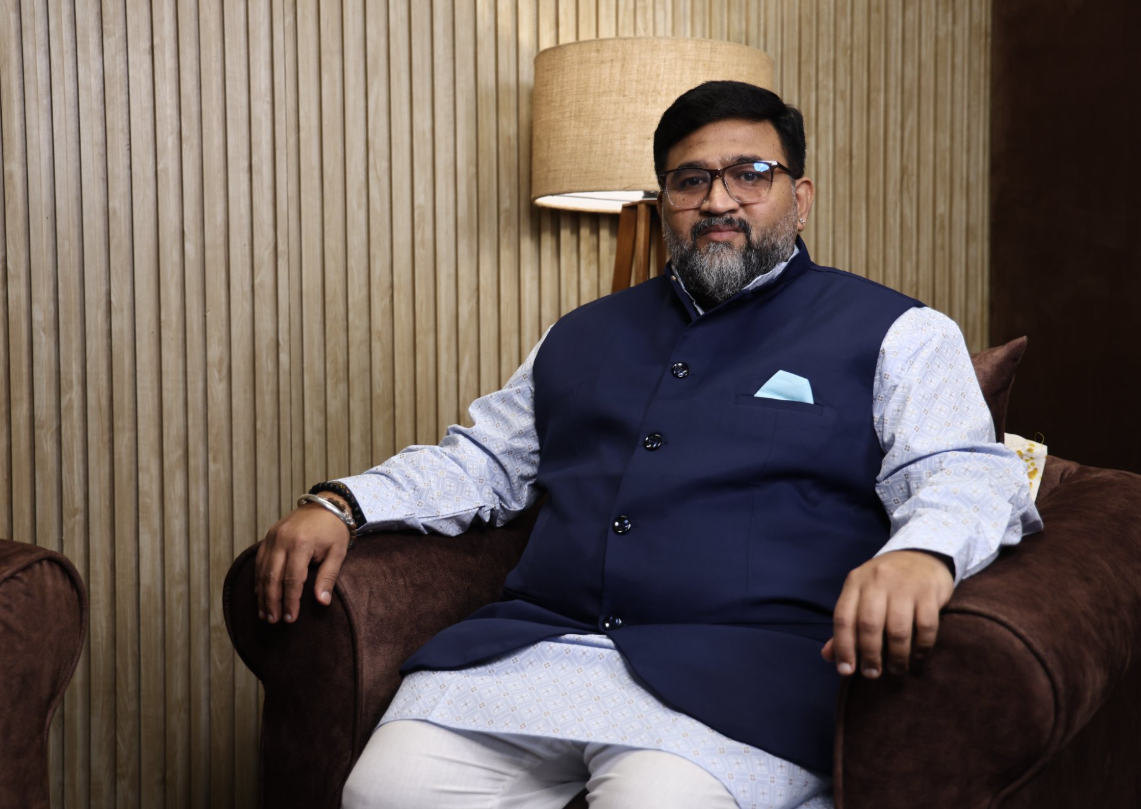
Mr. Mitesh Thakkar is a Counselling Psychologist, Hypnotherapist, and Holistic Mental Health Practitioner with over 20 years of experience supporting individuals with depression, anxiety, stress, and emotional wellbeing. He has guided more than 12,000 clients through evidence-based counselling combined with integrative therapeutic approaches at MBS Holistic Clinic, Gandhinagar.